Ancestral Alchemy: The Silence We Inherit
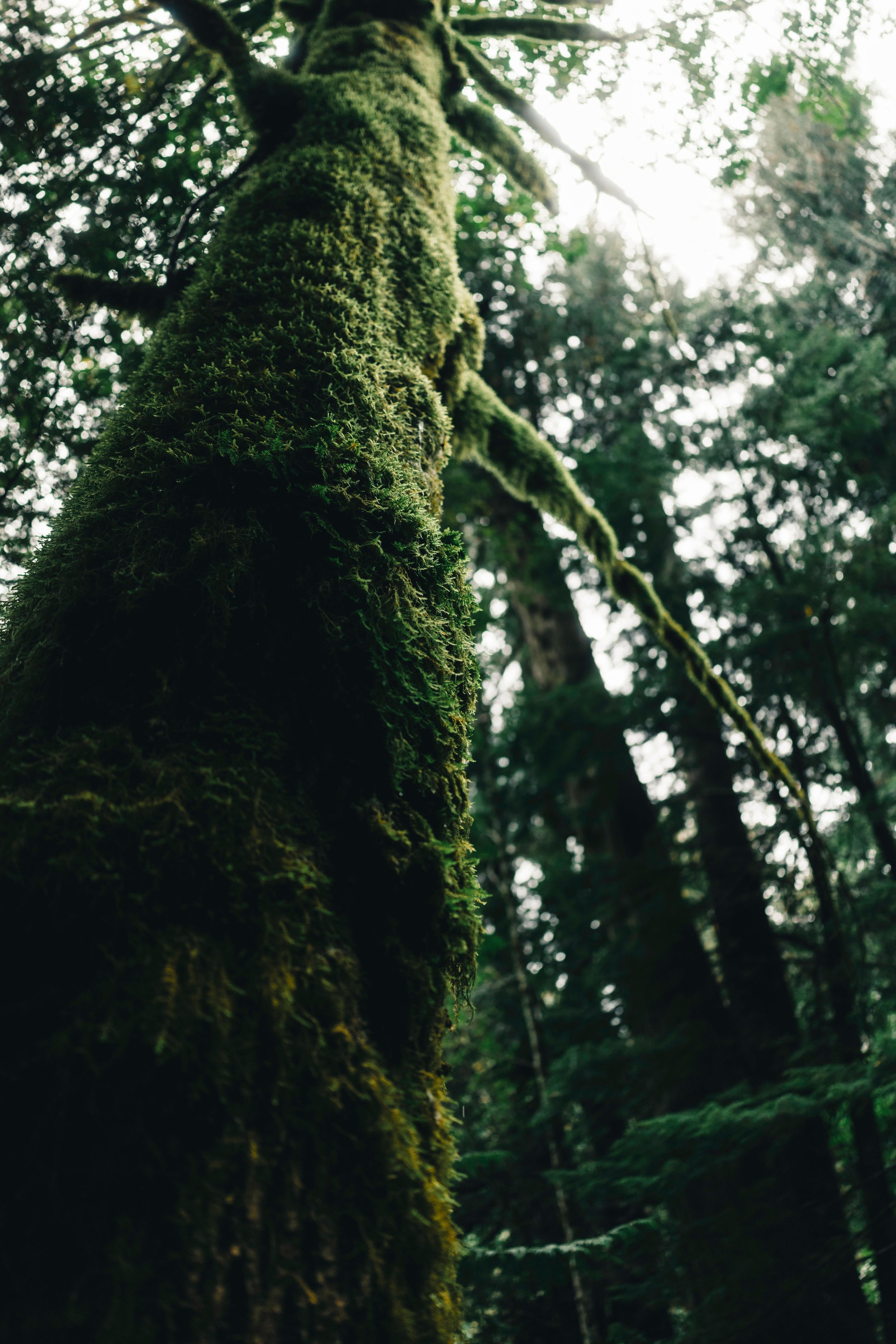
Sometimes what we inherit is not only genetic. It is silence.
Stories never spoken. Languages that disappeared from the family tongue. Grief that was never named because naming it would have required a safety that didn't exist. Something of all of this passes quietly through generations not as memory, but as a kind of unfinished experience that continues to move beneath the surface of ordinary life.
It can appear as sensitivities we cannot fully explain. Intuitions that feel older than our own history. A pull toward something we have never directly known but that feels, inexplicably, like return.
Four years ago a DNA test revealed that more than half of my ancestry is Irish. What struck me was not only the result but the silence surrounding it. No one had spoken about it.
Like much of what lives in family lines, the deeper story had folded quietly into the past protected, perhaps, by the same instinct that causes any overwhelming experience to go underground when there is no safe place for it to land.
As I began exploring this history I found complexity rather than simple narrative. Threads of the colonized and the colonizer woven together. Famine. Displacement. The kinds of moral fracture that occur when survival is uncertain and ordinary people are placed in impossible situations. These are not easy histories to face and that difficulty, I came to understand, is part of why they don't get spoken.
Shame deepens silence. And silence, once established, travels.
What I had not expected was how much the language itself carried. Beginning to reclaim even fragments of Irish felt less like learning something new and more like opening a door that had quietly closed generations ago.
Language holds worldview, relationship with land, emotional texture that has no direct translation. When a language disappears from a family line, something of how the world was experienced disappears with it. Reclaiming it even partially is a form of restoration that moves in both directions, toward the past and toward oneself.
This is what ancestral and collective work makes possible that purely personal work does not: the recognition that some of what we carry is not ours alone. That the unfinished experience of earlier generations can become available to us not as burden, but as something we now have the capacity to complete.
Earlier generations often lacked the safety, the distance, or the language to process what they had lived through.
What gets passed forward is not only the wound but the unfinished movement the grief that couldn't be grieved, the complexity that couldn't be held, the voice that went quiet before it could speak.
When we turn toward that with honesty and without judgment not to assign blame but to allow what was frozen to move something shifts. The silence that once protected the past begins, slowly, to become voice. What was carried as weight begins to be understood as history. And what history left incomplete, awareness can now begin to transform.
This is not resolution in any final sense. It is participation the living continuing what the dead could not finish, not out of obligation but out of the recognition that the story is still moving, and that we are part of it.